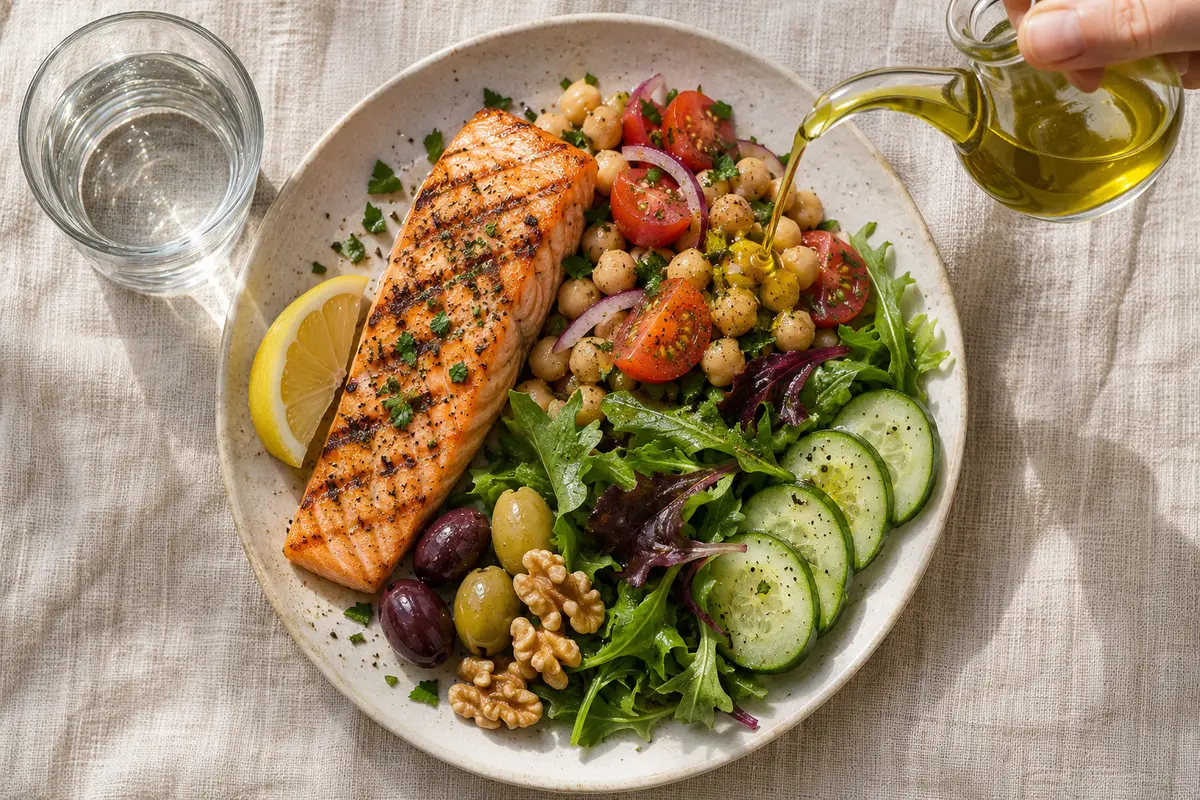
Olive oil is the heart of the Mediterranean diet — the eating pattern most often linked to healthy blood sugar and long, active lives. But can a kitchen oil really make a difference to your numbers? The short answer is that extra virgin olive oil is one of the smartest fats you can choose for blood sugar, and the reason has a lot to do with a group of natural compounds called polyphenols. Here is what the research shows and how to make it work for you.
The short answer
Olive oil does not raise blood sugar, and extra virgin olive oil appears to help keep it steadier. Large studies of the Mediterranean diet link it with a lower risk of type 2 diabetes, and meal studies suggest that adding it to food can soften the after-meal rise. The benefits are tied to extra virgin oil, which keeps the polyphenols that refined oils lose.
What the research shows
- The PREDIMED trial. In this large Spanish study of older adults at high cardiovascular risk, people who followed a Mediterranean diet supplemented with extra virgin olive oil had about a 40% lower risk of developing type 2 diabetes than those told to follow a low-fat diet (Annals of Internal Medicine, 2014).
- Meal studies. A 2015 study in Nutrition & Diabetes found that the same Mediterranean-style lunch led to a lower after-meal blood sugar rise when it was prepared with extra virgin olive oil instead of corn oil.
- The polyphenol angle. Researchers increasingly credit olive polyphenols — compounds such as oleocanthal, oleuropein and hydroxytyrosol — for much of the benefit, which is why fresh, high-quality extra virgin oil matters more than olive oil in general.
Why extra virgin oil works differently
Every oil is fat, and fat on its own barely moves blood sugar. What makes extra virgin olive oil special is what comes along with the fat. Pressed from olives without heat or chemicals, it keeps its polyphenols — and the best-known of them, oleocanthal, is the one you can actually feel: it causes the peppery sting at the back of your throat when you taste a fresh oil. Scientists first described oleocanthal in the journal Nature in 2005.
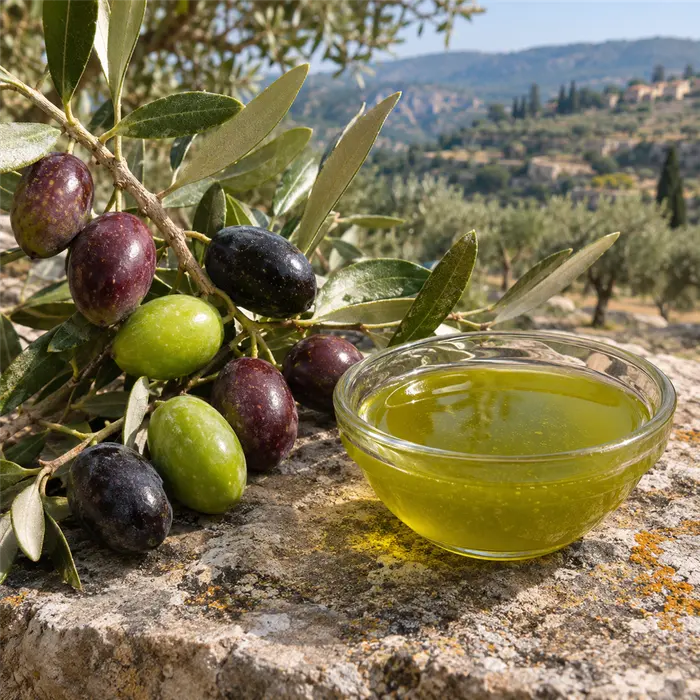
Some olive varieties produce far more of these compounds than others. The Souri, an ancient variety from the Galilee, is famous for a robust, peppery oil that is especially rich in polyphenols.
How to use olive oil for steadier blood sugar
- Use it instead of other fatsSwap butter, margarine and seed oils for extra virgin olive oil in cooking and dressings. The benefit in studies comes from replacing, not just adding.
- Pair it with carbohydratesOlive oil on bread, pasta, potatoes or rice slows how fast the meal is digested and helps soften the rise.
- Build the whole plateVegetables, beans, fish and nuts with olive oil: the full Mediterranean pattern beats any single ingredient.
- Mind the amountIn PREDIMED, families received about a liter a week. That is generous — at about 120 calories per tablespoon, adjust it to your energy needs.
How to pick a high-polyphenol olive oil
| Look for | Why |
|---|---|
| “Extra virgin” | Only extra virgin oil keeps meaningful polyphenols; “light” and refined oils lose most of them. |
| A recent harvest date | Polyphenols fade month by month; fresher is better. |
| A dark bottle or tin | Light breaks polyphenols down quickly. |
| A bitter, peppery taste | The throat sting is oleocanthal at work — a good sign. |
| Proper storage at home | Keep it cool, dark and closed, and use it within a couple of months of opening. |
The catch: polyphenol content varies hugely from one bottle to the next, it is almost never printed on the label, and the best oils are expensive. That is exactly why many people look for a more consistent way to get the olive’s benefits every day — and why the format question matters. Our guide on blood sugar drops vs. capsules compares the options.
Our recommendation: Oliformin
If you love the idea of the Mediterranean olive tradition but want it in a simple, consistent daily dose, Oliformin is the option we recommend. It is a liquid blood sugar formula built around the Souri olive and its signature polyphenol, oleocanthal, backed by wild Galilean honey, Ceylon cinnamon and wild blackberries — a 100% natural formula in a 60 ml dropper bottle, developed with Israeli technology. No spoonfuls of oil and no extra calories: just two drops under the tongue every morning, before your coffee.
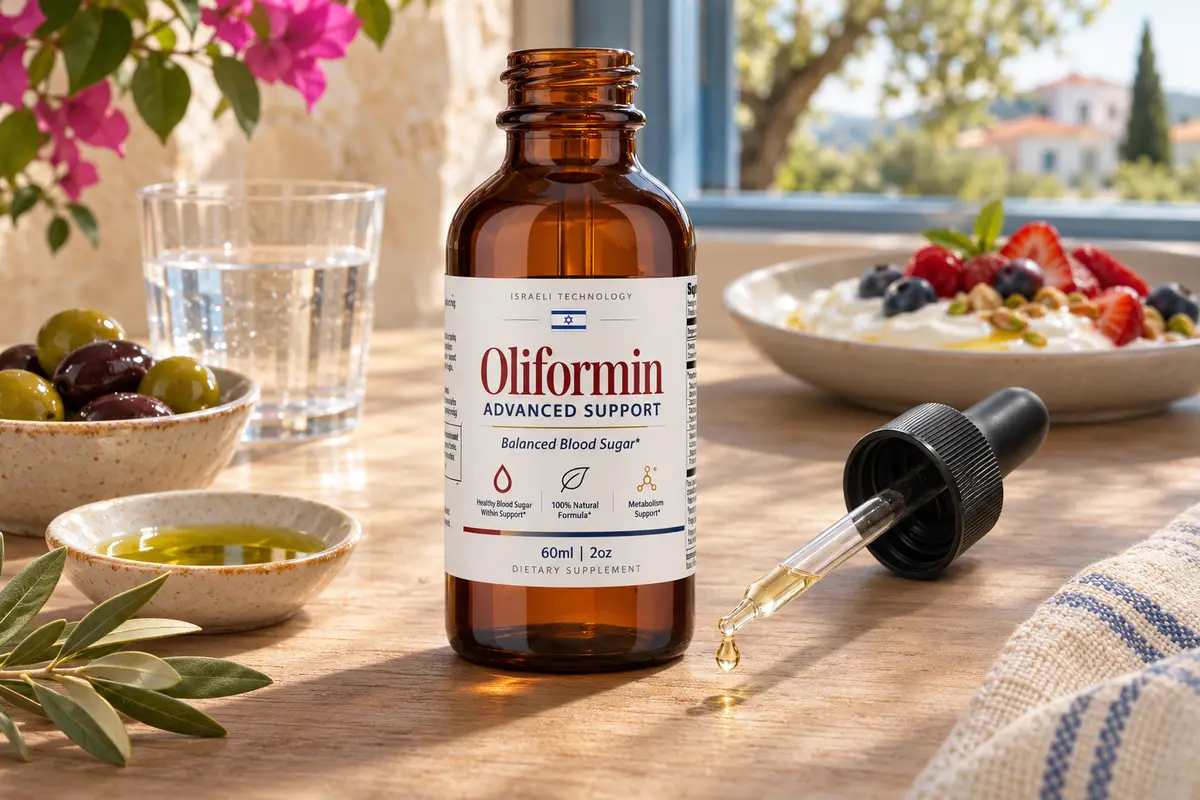
Customers describe better morning readings, calmer afternoon cravings and steadier energy after a few weeks. The best value is the 3-bottle package at $33 per bottle ($99, with 3 free bonuses); 2 bottles are $89 and 1 bottle $79, with free shipping on every package and a 90-day money-back guarantee. Keep your olive oil in the kitchen — and let Oliformin make the daily habit effortless. If you take medication for blood sugar, show the bottle to your doctor first.
Sources: Salas-Salvadó J. et al., “Prevention of diabetes with Mediterranean diets,” Annals of Internal Medicine, 2014 (PREDIMED); Violi F. et al., extra virgin olive oil and post-prandial glucose, Nutrition & Diabetes, 2015; Beauchamp G.K. et al., “Ibuprofen-like activity in extra-virgin olive oil,” Nature, 2005. This guide is general information, not medical advice.
Frequently asked questions
Does olive oil lower blood sugar?
Olive oil is a fat, so it does not raise blood sugar on its own, and research suggests extra virgin olive oil helps in two ways: added to a meal, it has been linked to a gentler after-meal rise, and as part of a Mediterranean diet it was associated with a lower risk of developing type 2 diabetes in the large PREDIMED trial. It works best as part of an overall eating pattern, not as a single fix.
Is it good to drink olive oil in the morning for blood sugar?
Some people take a spoonful of extra virgin olive oil in the morning. It is safe for most people, but it adds about 120 calories per tablespoon, and the benefit in studies comes from using olive oil in place of other fats within balanced meals. If you want the olive polyphenols without the extra calories, a concentrated olive-based supplement is an easier option.
What kind of olive oil is best for blood sugar?
Extra virgin olive oil, as fresh as possible, from a recent harvest, sold in a dark bottle. Oils that taste bitter and leave a peppery sting at the back of the throat are richer in polyphenols such as oleocanthal. Refined or “light” olive oils lose most of these compounds.
What is oleocanthal?
Oleocanthal is a natural polyphenol in high-quality extra virgin olive oil. It causes the peppery sting of fresh oil and was first described in the journal Nature in 2005. Olive varieties such as the Souri are known for especially polyphenol-rich oil.
This article is for general information only and is not medical advice. Dietary supplements are not intended to diagnose, treat, cure or prevent any disease. Talk to your doctor before changing your diet, exercise or supplements, especially if you take medication.